

Optimize Your Technology
Navigating the complexities of IT can be a daunting task. Our team of experts will assess your current systems, applications, and network technologies. We’ll identify areas for improvement, peel away unnecessary complexity, and help you cut costs while simplifying your technology infrastructure.
 DataLink advises organizations in all industry sectors to safeguard their credentials.
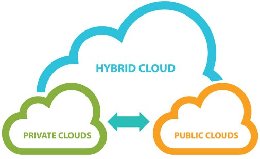 DataLink helps organizations find the optimal mix of private and public IT resources to meet their unique workload requirements.
 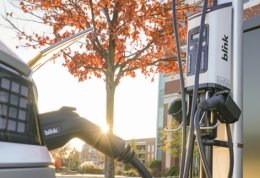 Blink Charging Co., a leading manufacturer, owner, operator, and provider of electric vehicle (EV) charging equipment and services engaged DataLink to build out its IT infrastructure at its 15,000-square-foot global HQ in Bowie, MD.
 Much of the concern about implementing the Internet of Things (IoT) centers on how to manage, monitor and secure the underlying infrastructure. According to
  Organizations without a Chief Information Security Officer (CISO) or an IT Security Manager typically lack a comprehensive plan to address security issues mandated by government agencies and industry best practices.
 As organizations increasingly adopt virtualization, software defined networks and cloud applications, firewalls have been evolving from perimeter-based security devices to distributed security solutions.
 With IT systems and the Internet influencing virtually every aspect of business, one mistake many companies make is dividing up their IT management needs among different vendors. This may not seem like an issue, but it could significantly compromise security and effectiveness, and waste time.